Student HMO finance
We arrange purchase, refurbishment and refinance finance for landlords and investors building portfolios of student houses in multiple occupation. This is finance to fund student property as an investment, not a student maintenance loan or help paying your rent.

Funding student hmos
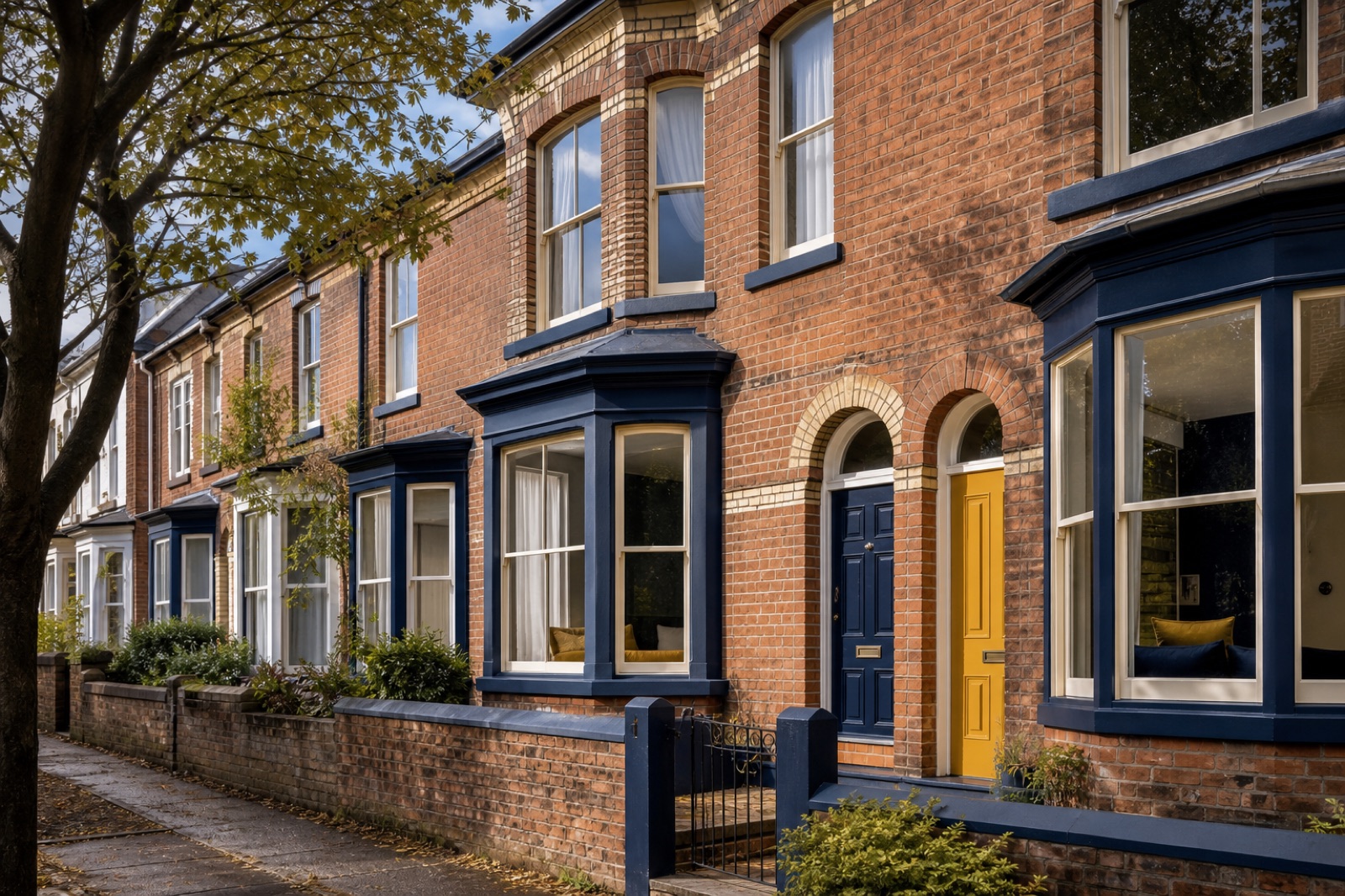
A student HMO is a house in multiple occupation: an existing or converted dwelling let room by room to three or more unrelated students sharing facilities. It is the traditional, non-PBSA end of the student market, run by private landlords and portfolio investors rather than institutional operators, and it sits closer to buy-to-let than to a managed PBSA scheme.
Student HMO finance, as we use the term, is the commercial or specialist buy-to-let mortgage, refurbishment loan or refinance used to buy, convert or hold a student HMO as a rental investment. It is sized on the property, the room count and the rental income rather than on a managed operator covenant, which makes it a different discipline from PBSA finance.
The key variables are local: whether the area falls under an Article 4 direction that removes permitted-development rights to create new HMOs, what HMO licence the property needs, and how a valuer treats the asset, whether on a bricks-and-mortar comparable basis or, for larger HMOs, an investment basis on the rental income.
We present the property, the licensing position and the rental income so HMO-experienced lenders can price it, and we run the market across commercial and specialist buy-to-let lenders.
What we fund
- Multi-let student houses of three to six bedrooms
- Larger student HMOs let room by room
- Conversions of family houses to licensed student HMOs
- Refurbishment and reconfiguration to add bedrooms or en-suites
- Student HMO portfolios held by private landlords
- Articles let on individual assured shorthold tenancies
Indicative terms
- Commercial or BTL LTVUp to around 70 to 75% of value
- RefurbishmentPurchase plus works, then term refinance
- TermTypically 5 to 25 years depending on lender
- Valuation basisComparable, or investment for larger HMOs
- LicensingHMO licence and any Article 4 position reviewed
- Key testsProperty, room count, rental income, licence, location
- Income basisRoom-by-room lettings; rental income
Indicative only. Terms vary by lender, operator and home and are not an offer of finance.
Financing a student HMO: purchase, refurbishment, refinance
We arrange student HMO finance on the property and its rental income. For a purchase we place a commercial or specialist buy-to-let mortgage to around 70 to 75% of value, with the rate and term reflecting the room count, licence and location. Where a property needs converting or extending to add bedrooms or en-suites, we arrange a refurbishment facility for purchase plus works, then refinance onto a term mortgage once the upgraded HMO is let and the rental income is proven. For an established landlord we refinance to release equity for the next acquisition. We frame every figure as indicative and never as an offer; the terms depend on the property, the licensing position and the rental income, and we run the market for the keenest fit.
Article 4, licensing and what lenders check
Lenders check three things on a student HMO: the licensing position, the planning position and the valuation basis. A mandatory HMO licence is required for larger shared houses, and many university cities operate an Article 4 direction that removes permitted-development rights, so creating a new HMO needs planning consent, which lenders treat as a material risk if it is not in place. On value, a smaller HMO is often assessed on bricks-and-mortar comparables while a larger one may be valued on an investment basis on its rental income. Paragon Bank, Shawbrook, Together and InterBay are active HMO lenders, with specialist buy-to-let funders covering smaller multi-lets. As a broker with no exclusive tie, we match the property and its licence to the right lender.
Yields and the case for student HMOs
Student HMOs typically run at higher headline yields than institutional PBSA, reflecting the hands-on management, the smaller buyer pool and the planning and licensing friction. The demand backdrop is the same structural undersupply that supports PBSA: roughly three students per bed across the largest cities (Savills, 2025) and 2.4m full-time students (HESA, 2023/24), with HMOs absorbing demand that purpose-built stock has not met. Where PBSA prime yields sit near 4.25% (Knight Frank, 2025), well-let student HMOs in strong catchments often trade meaningfully higher, which is the return premium for the extra management and the licensing risk. For lenders, a licensed, well-located HMO with proven rental income is a fundable investment asset with a clear refinance or sale exit.
Finance that suits this setting
- Acquisition and investment financeBuys a student HMO or adds to a multi-let portfolio.
- Bridging financeFunds a fast purchase or a property needing works before it can be mortgaged.
- RefinanceReleases equity from a let HMO or re-prices the debt.
- Development and conversion financeFunds conversion or extension to create or enlarge an HMO.
Fund a student hmos home
A view on fundability within one working day.
What drives a student HMO's numbers
A student HMO earns from room-by-room lettings, so the room count, the rental income and the local licensing and planning position drive the numbers, not a managed operator covenant. The decisive variables are whether the area falls under an Article 4 direction, what HMO licence the property needs, and how a valuer treats it, on bricks-and-mortar comparables for a smaller house or on an investment basis on rental income for a larger one. The demand base is the same structural undersupply that supports PBSA, roughly three students per bed across the largest cities (Savills, 2025) and 2.4m full-time students (HESA, 2023/24), with HMOs absorbing demand purpose-built stock has not met. We model the net rental income after voids and management, because that is what an HMO lender sizes against.
Indicative student HMO leverage and rates
Indicatively we arrange student HMO commercial or specialist buy-to-let mortgages to around 70 to 75% of value, with the rate, term and valuation basis reflecting the room count, the HMO licence and the location. Where a property needs converting or extending, we arrange a refurbishment facility for purchase plus works, then refinance onto a term mortgage once the upgraded house is let. Student HMOs generally trade at higher headline yields than institutional PBSA, which sits near 4.25% prime (Knight Frank, 2025), to reflect hands-on management and licensing risk. These are market-typical, indicative figures and never an offer; the terms depend on the property, the licence and the rental income, and we run the market for the keenest fit.
Frequently asked questions
Is PBSA a HMO?
No. PBSA is purpose-built student accommodation, operated at scale by a specialist provider and financed as an investment asset. A student HMO is an existing or converted dwelling let room by room and regulated under HMO licensing. They are different planning categories financed by different lenders, which is why we treat them as separate accommodation types.
What is a student HMO?
A student HMO is a house in multiple occupation let to three or more unrelated students who share facilities such as a kitchen or bathroom. It is the traditional shared student house, run by private landlords rather than institutional operators, and financed more like buy-to-let than like a managed PBSA scheme.
Do you need a licence for a student HMO?
Larger HMOs need a mandatory HMO licence, and many councils operate additional or selective licensing that extends the requirement to smaller properties. Many university cities also have an Article 4 direction removing permitted-development rights, so creating a new HMO needs planning consent. Lenders check the licence and planning position closely before lending.
Can you get a mortgage on a student HMO?
Yes. We arrange commercial and specialist buy-to-let mortgages on student HMOs to around 70 to 75% of value, with lenders such as Paragon Bank, Shawbrook, Together and InterBay active in the space. The rate, term and valuation basis reflect the room count, the licensing position and whether the property is valued on comparables or on its rental income.
What yields do student HMOs achieve?
Student HMOs generally achieve higher headline yields than institutional PBSA, which sits near 4.25% prime (Knight Frank, 2025), to compensate for hands-on management, a smaller buyer pool and licensing risk. The exact yield depends on the city, the room count and the condition of the house. Lenders weigh the rental income and the licence when sizing the loan.
Funding a student hmos home?
Tell us about the home and the operator and we will come back with a view on fundability and likely terms.